Are wigs safe for natural hair?
By Emily Ross •
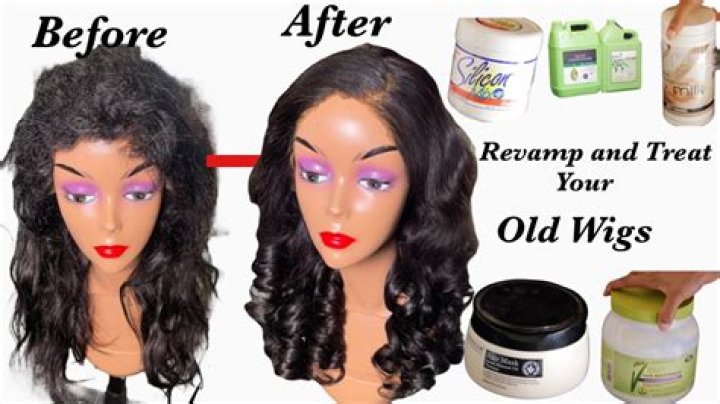
Wearing a wig or a weave can be a great way to protect your natural hair from daily manipulation and breakage. They also allow the opportunity to experiment with various styles and/or colors. However, if not worn properly, wigs and weaves can do more harm to your natural hair than good.
Will wearing a wig damage my natural hair?
Wearing a wig is a great option to switch up your look without making permanent changes to your hair, but if you are not careful they can damage your hair and scalp and lead to or cause hair loss/damage.How do I protect my natural hair under a wig?
How to Protect your Hair under a Wig
- Massage your Scalp. Having a wig sit tightly on your head can cause the blood flow to your scalp to be reduced. ...
- Take your Wig off Before Bed. ...
- Shampoo your Hair. ...
- Keep on Top of Trimming. ...
- Wig Cap. ...
- Avoid Damp Hair. ...
- Be Careful When Braiding. ...
- Moisturise your Hair.
Can wearing a wig everyday cause hair loss?
Synthetic bands in wigs can also cause problems, especially for those with sensitive skin." That said, while lace front and clip-in wigs can offer complete coverage of your natural hair, regularly wearing them can cause hair damage, as well as thinning and eventual baldness in certain areas of the scalp.Is it okay to wear a wig everyday?
The short answer is, no, it is not bad to wear a wig everyday if you take proper care of your natural hair and scalp. Your hair and skin cells will grow regardless of whether or not you cover them with a wig or accessories like hats and scarves.?Are Wigs Bad For Your Hair? Don't Put On One More Wig Before You Watch This Video
What are the disadvantages of wig?
The Cons
- They can be expensive; especially if you are buying a bespoke one.
- They don't tend to hold colour well and the quality can be affected if repeatedly dyed.
- Human hair wigs will need to be styled almost daily or at least every time you wash your hair.
- They have a limited life span.
Can wigs stop hair growth?
No, wearing a wig does not stop hair growth. However, if the hair underneath your wig isn't properly protected or looked after, damage to your hair can be caused, affecting growth.Do wigs damage your edges?
Most women, then glue or sew the wig to the head for a secure fit. Others use a band to make it a snug fit. The wig cap, overtime, will cause traction to the edges from constantly being covered which causes will eventually cause thinning edges.Can you tell if someone is wearing a wig?
Look At The HairlineAlthough it can be tricky, the best and easiest way to tell if someone is wearing a wig is by investigating the hairline. Similar to identifying if the hair is colored, the hair roots can help you see if a person is wearing a wig.
Should you wear a cap under a wig?
To wear, or not to wear? That is the question. Wearing a wig cap is a completely personal preference. Wig caps act as protective barrier to a sensitive scalp and keep your wig comfortable and secure during everyday use.How long can you wear a wig?
Don't Wear Your Wig for More Than Six Weeks at a TimeWhile experts generally agree that you should take a break after six weeks, don't hesitate to remove it sooner.
How do I prepare my natural hair for a wig?
When preparing human hair wigs for natural hair, you need to braid your hair underneath. Braids ensure your wig looks natural and it helps prevent your hair from matting. Braiding your hair in cornrows or even twists can save your natural hair from being ruined by a wig.Why does my scalp hurt after wearing a wig?
Often, wig headaches are caused by wearing a wig that is too tight. Tight wigs add unnecessary pressure to the scalp and it's this unwanted pressure that can result in headaches. Before purchasing your wig, it's important that you measure your head properly and choose the right wig size for you.How often should you wash your hair under a wig?
Cleanse Hair WeeklyUsually hair is braided down under a wig so it can lay as flat as possible. Depending on how the wig is applied, whether it's pinned, adhered or sewn down, will determine how the natural hair is cleansed. “The client should cleanse their hair every week, but no more than two weeks,” says Takisha.