Does cervical spinal stenosis qualify for Social Security disability?
By Emily Ross •
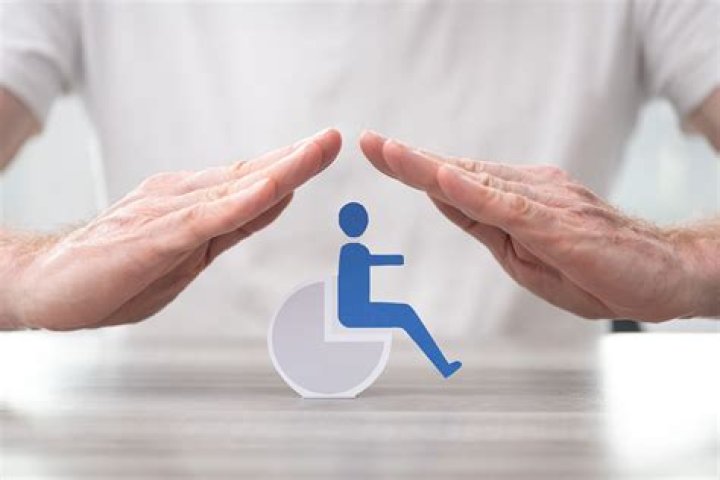
If you have spinal stenosis and it makes it impossible for you to work, you may be considered disabled by the SSA. If you win your claim, you are entitled to disability benefits. The benefits that you are most likely to receive because of your spinal stenosis is Social Security Disability Insurance (SSDI).
What neck problems qualify for disability?
Among those neck problems that qualify for disability per the SSA guidelines are degenerative disc disease (DDD), herniated discs, arthritis, whiplash, cervical spondylolisthesis, cervical retrolistheses, pinched nerves, cervical lordosis, and cancer.Is spinal stenosis considered a permanent disability?
Is Spinal Stenosis a Permanent Disability? If you have spinal stenosis, and it is serious enough that you are unable to work or perform normal day-to-day activities, it may result in permanent disability and you might want to apply for Social Security disability benefits.How much does disability for spinal stenosis?
The amount you must earn to be working at SGA changes each year. For 2018 it is $1,180 per month if you are not blind and $1,970 per month if you are blind. If you are working, and your earnings average more than the SGA limit, then you will not be found disabled.Is cervical spine a disability?
To meet requirements of a disability listing for a neck problem, you need to demonstrate the nerve root or spinal cord has been impacted such that you have limited spinal movement, muscle weakness with loss of reflexes or feeling, spinal nerve root compression pain, or spinal arachnoiditis.Spinal Stenosis: Strong Evidence of Disability
Is stenosis a disability?
While the Social Security Administration (SSA) recognizes lumbar spinal stenosis as a disabling condition, not everyone who applies will be awarded benefits for their condition. Your ability to win your disability claim will rest on your ability to provide sufficient medical evidence to the SSA.What is considered severe spinal stenosis?
Symptoms of Severe Spinal StenosisWhen spinal stenosis progresses to the severe stage, that means there has been substantial narrowing of the spinal canal. This can occur due to several different factors, but is most commonly caused by degeneration of the discs, vertebrae and spinal ligaments.
What causes cervical stenosis?
A common cause of cervical spinal stenosis is degeneration, or wear and tear affecting the anatomical structures in your neck due to aging. That's why most people who have cervical spinal stenosis are adults in their 50s and 60s who may have had neck pain for several years.Does spinal stenosis hurt all the time?
Spinal stenosis is generally not progressive. The pain tends to come and go, but it usually does not progress with time. The natural history with spinal stenosis, in the majority of patients, is that of episodic periods of pain and dysfunction.What back problems qualify for disability?
What Back Conditions Qualify for Disability? The spine disorders that qualify for disability include herniated discs, nerve root compression, degenerative disc disease. To get disability with back pack, you must meet one of the back conditions in the SSA's list of impairments that qualify for disability.What does narrowing of C5 and C6 mean?
Spondylosis. Spondylosis (degeneration) of the C5-C6 vertebrae and intervertebral disc occurs at a higher rate compared to other cervical vertebrae. 3. Spondylosis usually results in the formation of bone spurs (osteophytes), eventually leading to stenosis or narrowing of the intervertebral foramina or spinal canal.What is stenosis of the neck?
Definition. Cervical stenosis is a condition in which the spinal canal is too small for the spinal cord and nerve roots. This can cause damage to the spinal cord, a condition called myelopathy, or pinch nerves as they exit the spinal canal (radiculopathy).What activities should be avoided with cervical spinal stenosis?
What Is Spinal Stenosis?
- Avoid Excessive Back Extension. ...
- Avoid Long Walks or Running. ...
- Avoid Certain Stretches and Poses. ...
- Avoid Loading a Rounded Back. ...
- Avoid Too Much Bed Rest. ...
- Avoid Contact Sports.