How long does face swelling last?
By David Edwards •
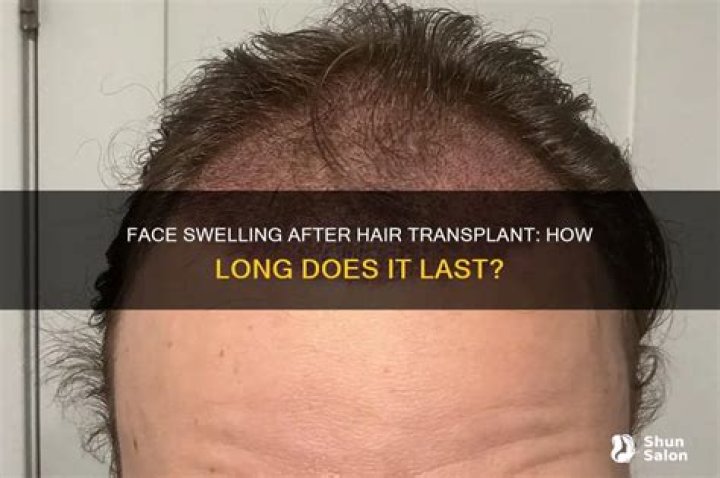
The swelling should settle within a few hours or the day. In some cases, it can last for several weeks. If swelling occurs after 2 weeks, a person should see a doctor to find the cause.
How long does swelling take to go down in the face?
Your face may be swollen and bruised. It may take 5 to 7 days for the swelling to go down, and 10 to 14 days for the bruising to fade. It may be hard to eat at first.How can I get the swelling down on my face?
More on reducing swelling in your face
- Getting more rest. ...
- Increasing your water and fluid intake.
- Applying a cold compress to the swollen area.
- Applying a warm compress to promote the movement of fluid buildup. ...
- Taking the appropriate allergy medication/antihistamine (over-the-counter medication or prescription).
Can face swelling be permanent?
Complications associated with facial swelling can be progressive and vary depending on the underlying cause. Because facial swelling can be due to serious diseases, failure to seek treatment can result in complications and permanent damage.Is a swollen face serious?
Facial swelling doesn't just include the face, but it can also involve the neck or throat. If there are no injuries to the face, facial swelling can indicate a medical emergency. In most cases, a medical professional should treat facial swelling.Facial Swelling Case Study for Nurse Practitioners
Why is my cheekbone swollen?
Common causes of cheek swelling on one side include: tooth abscess. facial injury. salivary gland tumor.How long should swelling last?
Phase 2: Inflammation (swelling)Inflammation starts within the first hour or two after injury, peaks within 1-3 days but lasts at least a couple of weeks. This phase is when you will experience swelling and some heat around your injury. This is entirely normal and a natural part of your body's tissue healing process.
Does ibuprofen reduce swelling in face?
An NSAID, such as ibuprofen, may also help with the pain and swelling if not contraindicated. If the swelling doesn't improve or is associated with a more serious injury such as a broken bone, a traumatic head injury or concussion, you should contact your health care provider or go to the emergency department.What naturally reduces swelling?
Some of the best sources of omega-3s are cold water fish, such as salmon and tuna, and tofu, walnuts, flax seeds and soybeans. Other anti-inflammatory foods include grapes, celery, blueberries, garlic, olive oil, tea and some spices (ginger, rosemary and turmeric).Will Benadryl reduce facial swelling?
Antihistamines can reduce the swelling, redness, and itchiness of rashes and hives on the face. They can also help with symptoms, such as watering eyes, stuffy nose, and breathing difficulty.Is ice or heat better for face swelling?
Ice and heat can help to decrease facial swelling, but they must be applied according to a specific timetable. For the first 48 hours after your procedure, use an ice pack — 20 to 30 minutes on one side of the face, then remove or switch to the other side of the face for the next 20 to 30 minutes.Will antibiotics reduce facial swelling?
Take antibiotics. Your toothache and swollen face may be caused by an infection of your tooth or gums. When your infection goes away, your swelling will go down. Take all your antibiotics to make sure your infection completely resolves.Does ibuprofen reduce swelling?
Unlike acetaminophen, ibuprofen acts as an anti-inflammatory drug, which means it reduces inflammation and swelling.How can I reduce inflammation in my face naturally?
- Avoid the sun. Sun damage is one of the prime causes of skin inflammation. ...
- Rinse with cool water. A cool shower always goes a long way to soothe inflamed skin. ...
- Give your regular skincare routine a break. ...
- Moisturize. ...
- Use kitchen ingredients. ...
- Check your diet. ...
- Wear comfortable clothes. ...
- Pop an anti-inflammatory.
What drink helps inflammation?
Here are five research-backed drinks that can help fight inflammation in your body.
- Baking soda + water. A recent study in the Journal of Immunologyfound drinking a tonic of baking soda and water may help reduce inflammation. ...
- Parsley + ginger green juice. ...
- Lemon + turmeric tonic. ...
- Bone broth. ...
- Functional food smoothie.
Why is face puffy?
Certain foods, such as an excess of carbs, salt, and alcohol, can also cause facial swelling. Stress can also cause your face to swell because when you're feeling anxious, your adrenal glands produce more cortisol than usual, which can cause a variety of physical symptoms, including facial swelling.Does swelling mean healing?
We traditionally use ice, soft tissue massage, and elevation to help reduce swelling. But that initial swelling is part of the body's healing response. Warmth is caused by vessels migrating to the site of the injury, and massage can displace the tissues that are trying to heal.How long does swelling last after fillers?
Swelling subsides, typically, within a few days. It's most apparent 24 to 72 hours after treatment before starting to subside gradually. Very occasionally, swelling can last from several days to four weeks.How do you get rid of a swollen cheekbone?
When swelling in a cheek results from a minor injury, it may help to:
- apply a cold compress to relieve swelling and pain.
- keep the head elevate to stimulate blood flow and reduce swelling.
- gently massage the cheeks to stimulate blood flow.