How much magnesium should I take for anxiety and sleep?
By Mia Phillips •
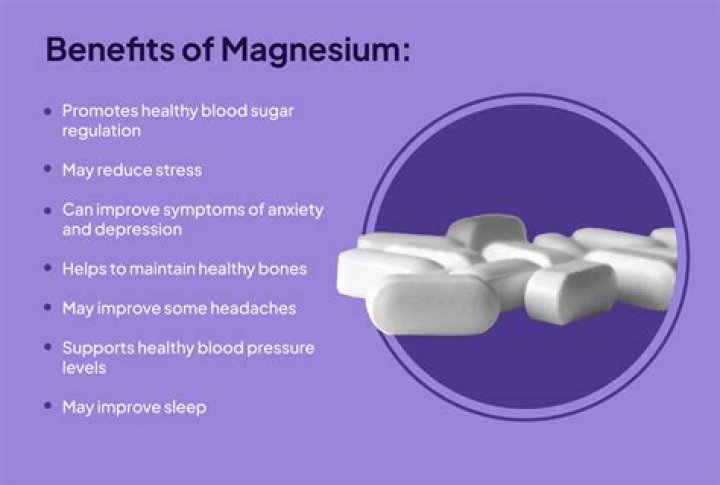
If you're struggling with sleep, anxiety, or both—and lower doses of magnesium aren't cutting it—try 500 mg of supplemental magnesium taken with dinner. That's the dose used in the insomnia study.
Which magnesium is best for anxiety and sleep?
Magnesium glycinate is often used for its calming effects to treat anxiety, depression, and insomnia.How much magnesium for anxiety should I take?
Foods high in magnesiumIf you take magnesium as a supplement, studies that showed that magnesium can have anti-anxiety effects generally used dosages of between 75 and 360 mg a day, according to the 2017 review.
How much calm magnesium should I take for sleep?
How to Take Magnesium to Help With Sleep. The Institute of Medicine suggests a daily dietary intake of 310–360 mg of magnesium for adult women and 400–420 mg for adult men ( 1 ). You can get magnesium through drinking water and eating foods such as green vegetables, nuts, cereals, meat, fish and fruit ( 1 ).How long does it take magnesium to work for sleep?
"Some research has shown that magnesium might help sleep some, but not significantly," she said. For example, magnesium supplementation has been shown to increase sleep time by about 16 minutes. However, "those extra 16 minutes can be a lot for someone who is having trouble sleeping," the ACSM fellow noted.Is 500mg of magnesium too much?
Doses less than 350 mg daily are safe for most adults. In some people, magnesium might cause stomach upset, nausea, vomiting, diarrhea, and other side effects. When taken in very large amounts (greater than 350 mg daily), magnesium is POSSIBLY UNSAFE.Is it OK to take magnesium every night?
Umeda recommends taking the supplement about 30 minutes before bedtime. And don't take more than the recommended amount. More won't help you sleep better, but it may cause stomach upset. While magnesium might improve your slumber, it's no substitute for a good sleep routine, Dr.How long does it take for magnesium to work for anxiety?
Other research from 2017, appearing in the journal PLoS One , found that a 6-week course of magnesium chloride led to a significant reduction in depression and anxiety symptoms.How long does magnesium take to calm down?
Another study noted that supplementing with magnesium improved symptoms of depression in 112 adults, with noticeable benefits occurring after 2 weeks ( 7 ).What does taking magnesium before bed do?
The Oxford Academic Journal Sleep reported that magnesium supplementation was found to be effective in helping patients with restless leg syndrome combat night time insomnia. Magnesium supplements were able to reduce the number of RLS incidents per night, contributing to better quality of sleep overall.Is 375mg of magnesium too much?
The amount of magnesium you need is: 300mg a day for men (19 to 64 years) 270mg a day for women (19 to 64 years)Does magnesium calm anxiety?
Magnesium plays two important roles in the brain, which may contribute to these symptoms: It blocks the activity of more stimulating neurotransmitters and binds to calming receptors, resulting in a more peaceful, resting state.Can I take 2000 mg of magnesium?
However, by taking supplements, most people get more magnesium than necessary. To avoid an overdose, do not take more than 350 mg of magnesium a day.How much magnesium is too much?
The UL for magnesium is 350 milligrams from supplements only. High-dose supplements can lead to diarrhea, nausea, and cramping in some people. Extra magnesium from food is safe because the kidneys will eliminate excess amounts in urine.Can magnesium stop heart palpitations?
Taking magnesium supplements or eating a diet that is high in magnesium-rich foods can decrease heart palpitations and may help decrease the risk of atrial fibrillation.Can you have too much magnesium?
Too much magnesium from foods isn't a concern for healthy adults. However, the same can't be said for supplements. High doses of magnesium from supplements or medications can cause nausea, abdominal cramping and diarrhea.Does magnesium make you sleepy?
Magnesium increases GABA, which encourages relaxation as well as sleep. Low GABA levels in the body can make it difficult to relax. Magnesium also plays a key role in regulating the body's stress-response system.What are the 10 signs of low magnesium?
10 Symptoms of Magnesium Deficiency
- Calcification of the arteries. Unfortunately, this is one of the first symptoms to appear, as well as one of the most serious. ...
- Muscle Spasming & Cramping. ...
- Anxiety & Depression. ...
- Hormone Imbalances. ...
- High Blood Pressure / Hypertension. ...
- Pregnancy Discomfort. ...
- Low Energy. ...
- Bone Health.