Should I seal concrete before epoxy?
By Ava Bailey •
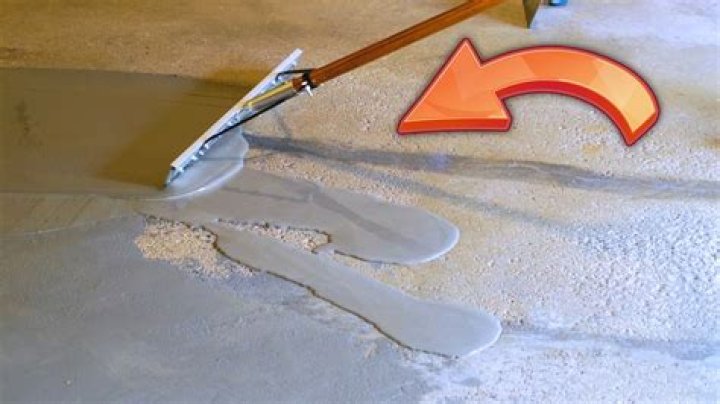
The short answer is: Yes, even new concrete needs to be etched before applying epoxy or a similar type of garage floor coating. Etching is part of the concrete preparation process. In fact, proper preparation of the concrete before a coating is applied is the most important part.
Can you epoxy over sealed concrete?
Do not attempt to apply epoxy over existing concrete sealers. These need to be removed first as epoxy will not adhere to them. Also, floor paint is not a good base for epoxy and needs to be removed as well.How do you prepare concrete for epoxy coating?
Prepping Your Concrete FloorBefore you apply any coating, you need a clean, dry floor without debris, moisture, cracks or holes. Give the area a thorough sweep. Clean up any grease stains with a degreaser and a stiff brush. You don't need to remove all of the discoloration, just the greasy residue.
What happens if you don't etch concrete before epoxy?
New concrete must be etched before applying the epoxy. The smooth surface of unaltered concrete won't bind with other materials, such as epoxy or paint. As a result, epoxy will peel and lift away, failing to adhere to the surface.Do you have to prep new concrete for epoxy?
The short answer is: Yes, even new concrete needs to be etched before applying epoxy or a similar type of garage floor coating. Etching is part of the concrete preparation process. In fact, proper preparation of the concrete before a coating is applied is the most important part.How to Concrete Sealer - Or Is Epoxy Better?
How do you prepare a concrete garage floor for epoxy?
Instructions
- Clean and Degrease the Floor. Use a broom and wet-dry vacuum to clean debris from the floor. ...
- Etch the Concrete. Etch the concrete floor using the etching solution provided in the epoxy coating kit, following the manufacturer's directions. ...
- Prepare the Room. ...
- Mix the Epoxy. ...
- Apply the Epoxy. ...
- Let the Garage Floor Dry.
Should I prime garage floor before epoxy?
Epoxy primers are thin and provide for better adhesion because they penetrate into the concrete substrate for a better bond. Primers provide for a better chemical bond of the thicker epoxy base coat which results in a longer lasting and more durable garage floor coating.How many coats of epoxy should you put on a garage floor?
For the best results, you should apply two coats of epoxy resin for garage floors. Before applying the first coat, make sure you put a primer on the floor first.How long should concrete cure before epoxy coating?
Standard specifications recommend a minimum 28 day cure period for “green concrete”, before an epoxy floor coating or other resinous system can be applied.How do you know if concrete is ready for epoxy?
The concrete will immediately, or at least within a minute, darken as the water absorbs in areas with no contaminants. You would immediately notice whitening or a frosty hue in areas that have silicone-type contaminates. Further, check to see if the water beads up and then takes more than a couple of minutes to absorb.What kind of primer do you use before epoxy?
If you want to coat a floor with epoxy resin, you should also apply a primer with epoxy resin beforehand, as this prepares the substrate very well for the epoxy paint. These two media form an optimal bond and protect your floor perfectly from chemical, thermal and mechanical stress.Does epoxy require primer?
An epoxy primer is the foundation of your floor coating system. Without it, your epoxy system will not work as well no matter what type of epoxy you are applying. Epoxy primers are the layer that you will build upon with other base coats and topcoats.What are the disadvantages of epoxy flooring?
Cons of Epoxy Flooring
- Strong Application Fumes. During the epoxy application process, wet epoxy gives off an unpleasant smell. ...
- Long Curing Time. ...
- Slippery When Wet. ...
- Economical Flooring Choice. ...
- Resistant to Damage. ...
- Weather-withstanding. ...
- Aesthetically Pleasing. ...
- Protects and Decreases Wear & Tear.