Which is better zinc sulfate or zinc citrate?
By Emily Ross •
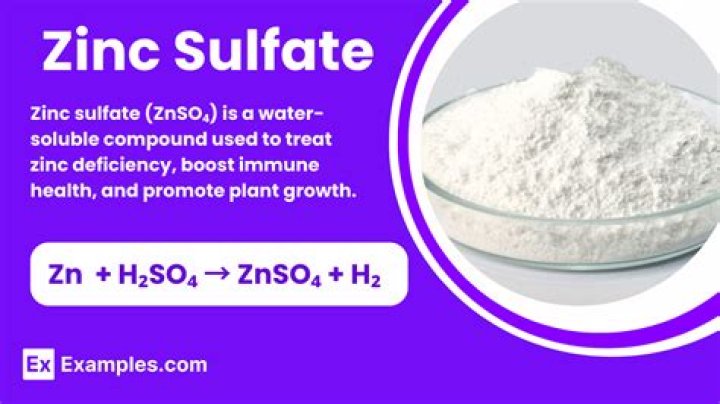
Available Forms. Zinc is available in several forms. Zinc sulfate is the least expensive form, but it is the least easily absorbed and may cause stomach upset. More easily absorbed forms of zinc are zinc picolinate, zinc citrate, zinc acetate, zinc glycerate, and zinc monomethionine.
Which form of zinc is best absorbed?
Zinc gluconate has a 60.9 percent absorption rate and zinc oxide has a 49.9 percent absorption rate. Obviously zinc citrate has the highest absorption rate among these other options. This form of zinc is water soluble which makes it an easily absorbed mineral when used without food.Is zinc citrate better?
We conclude that zinc citrate, given as a supplement without food, is as well absorbed by healthy adults as zinc gluconate and may thus be a useful alternative for preventing zinc deficiency and treating diarrhea.What is the most effective zinc?
Some of the best zinc supplements
- Best for an NSF-certified product: Thorne Zinc Picolinate 30 mg. ...
- Best for zinc with vitamin C: Garden of Life Vitamin Code Raw Zinc 30 mg. ...
- Best for zinc and a range of vitamins: Puritan's Pride Zinc for Acne 25 mg. ...
- Best for zinc lozenges: Zand Echinacea Zinc HerbaLozenge Very Cherry 5 mg.
Is zinc sulfate the same as zinc?
Different salt forms provide different amounts of elemental zinc. Zinc sulfate contains 23% elemental zinc; 220 mg zinc sulfate contains 50 mg zinc. Zinc gluconate contains 14.3% elemental zinc; 10 mg zinc gluconate contains 1.43 mg zinc.Discover The Best Type & Form Of Zinc (Top 6 Compared)
What does zinc citrate do for the body?
Zinc may reduce the duration of cold symptoms, support blood sugar management, improve severe and inflammatory acne, decrease heart disease risk, and slow the progression of macular degeneration.What is the best form of zinc to take for immunity?
While there are several chelated zinc supplements on the market, one of the best options is NOW Zinc Glycinate Softgels. Each softgel contains 30 mg of zinc glycinate, a form of zinc that older research studies suggest may be better absorbed than other types of zinc ( 5 ).Is 50mg of zinc citrate too much?
When taken by mouth: Zinc is likely safe when used in amounts no greater than 40 mg daily. It is possibly safe when taken in larger doses, especially when used only for a short period of time. But taking doses higher than 40 mg daily might decrease how much copper the body absorbs.Which is better zinc picolinate or zinc citrate?
When zinc bisglycinate is not being compared, one study found zinc picolinate exhibited superior absorption compared to zinc citrate and zinc gluconate, with significantly higher RBC, urine, and hair zinc after picolinate, compared to no increase in levels after citrate or gluconate.What is the difference between the different types of zinc?
Available FormsZinc is available in several forms. Zinc sulfate is the least expensive form, but it is the least easily absorbed and may cause stomach upset. More easily absorbed forms of zinc are zinc picolinate, zinc citrate, zinc acetate, zinc glycerate, and zinc monomethionine.
Is zinc citrate better than zinc gluconate?
We conclude that zinc citrate, given as a supplement without food, is as well absorbed by healthy adults as zinc gluconate and may thus be a useful alternative for preventing zinc deficiency and treating diarrhea.What is the difference between zinc sulfate and zinc picolinate?
Difference in AbsorptionZinc picolinate is a chelated supplement in which the mineral is bound to picolinic acid. Your body normally produces picolinic acid from the amino acid tryptophan and uses it to chelate several minerals. Zinc sulfate is not chelated, so it's not absorbed as well as zinc picolinate.